

If you are comparing SIL vs SDA, you are likely making an important decision about housing, support and long-term stability under your NDIS plan. The terminology can feel technical, yet the impact on your daily life is very real.
The clearest way to separate them is this:
SIL funds the people who support you each day.
SDA funds the place you live in.
When you understand how each works, you can approach your planning conversations with greater clarity and confidence.
What is Supported Independent Living (SIL)?
Supported Independent Living (SIL) sits under Core Supports. It funds the support workers who assist with daily living.
SIL funding may include:
Personal care and routines
Assistance with meals and household tasks
Support to build independent living skills
Overnight or active support where required
Many participants receiving SIL live in shared homes, private rentals or family properties that are not SDA homes. SIL can be delivered across different housing settings depending on individual support needs. Learn more about how we deliver SIL in Victoria.
Key takeaway: SIL funds the support team around you, not the property itself.

What is Specialist Disability Accommodation (SDA)?
participants with extreme functional impairment or very high support needs.
When comparing Supported Independent Living vs Specialist Disability Accommodation, it helps to separate daily support from physical design. SDA funding applies to specialised housing features.
SDA properties may include:
High physical support design such as ceiling hoists
Specialised construction for complex behaviours
Improved liveability standards
Fully accessible layouts
The SDA funding criteria are strict. Eligibility requires detailed evidence showing that specialised housing is reasonable and necessary under the NDIS framework. Functional assessments and allied health reports are central to this process. Explore SDA housing options here.
Key takeaway: SDA funds specialised housing design and requires specific evidence under NDIS eligibility rules.
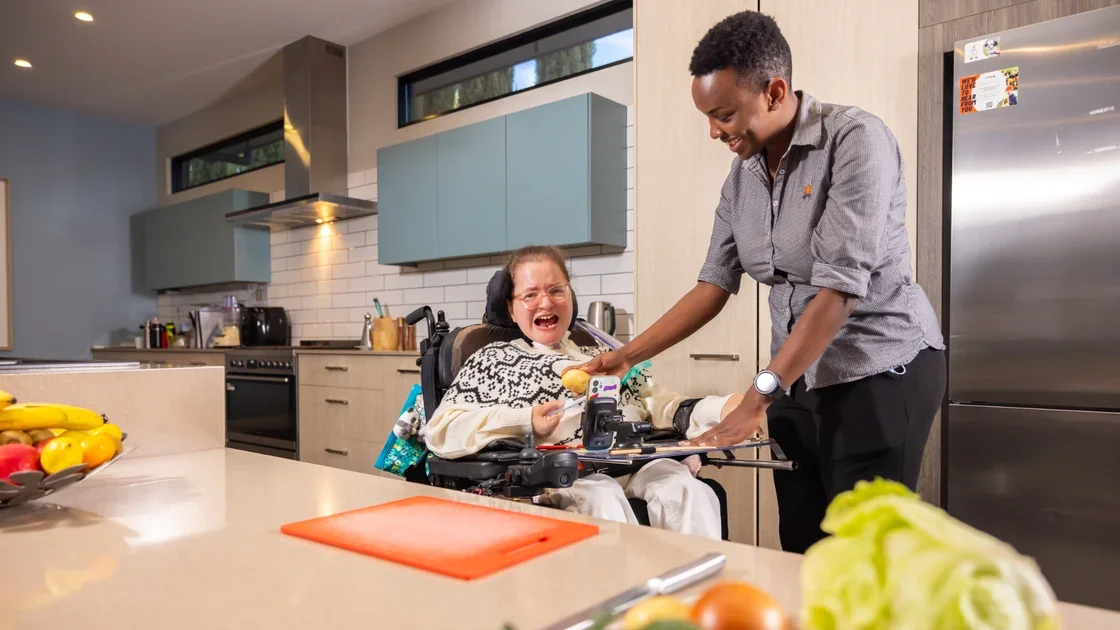
The Difference Between SIL and SDA
When reviewing the difference between the two, focus on how each funding category operates:
SIL funds daily support workers
SDA contributes to specialised housing construction
SIL sits under Core Supports
SDA sits under Capital Supports
SIL can be delivered in many housing types
SDA requires eligibility for specialised design
This is why the SIL vs SDA discussion can feel layered. They may work alongside each other, yet they address different aspects of independent living. Some participants receive both. Many receive SIL only.
Key takeaway: SIL and SDA can work together, but they address different parts of your housing and support needs.
Can You Have SIL Without SDA?
Yes. Many participants receive SIL funding and live in non-SDA homes. Their daily support needs are funded, but their housing does not require specialised construction.
Understanding this helps you approach NDIS housing funding conversations with realistic expectations. It also ensures your documentation aligns with the correct funding stream before your planning meeting.
For broader guidance on funding categories, visit our NDIS Information page.
Key takeaway: SIL can stand alone. SDA is only required when a specialised housing design is necessar
Looking at the Full Housing Picture
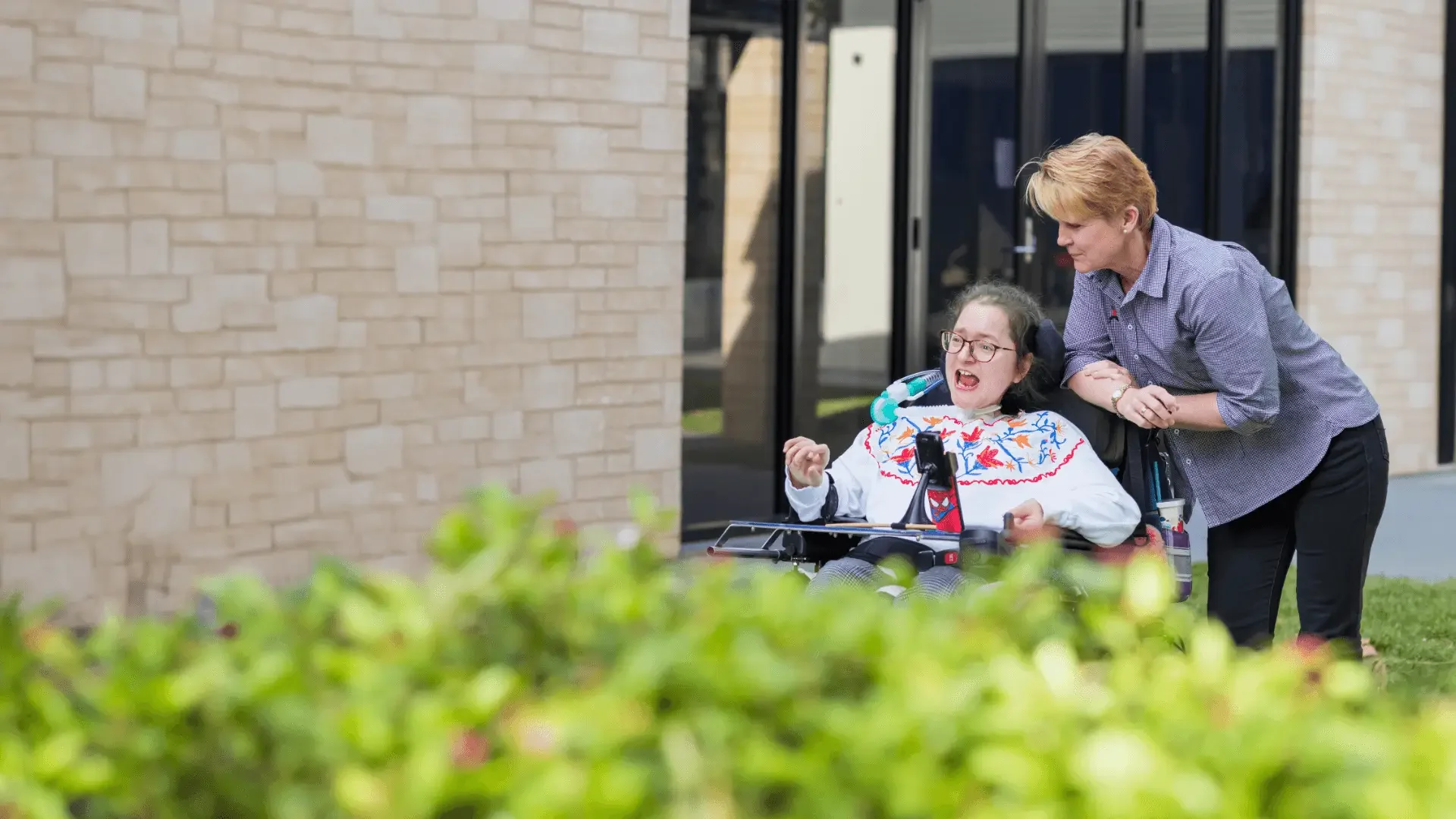
Housing decisions affect stability, safety and long-term independence. Reviewing SIL vs SDA separately only tells part of the story.
A complete housing plan considers:
Your functional capacity assessments
The level of daily support required
Whether specialised housing design is necessary
Your long-term living goals
How We Help You Navigate Both
At ONCALL, we provide both SIL and SDA housing options, and assess how support and property design work together.
With more than 30 years of supporting participants and as a registered, regularly audited provider, we bring structured oversight to every enquiry.
We understand that every situation is different. We help by taking the time to understand your reports, explaining what evidence supports each funding pathway and showing how housing and daily support can work together within your NDIS plan.
To explore availability, view our Queensland Property Vacancies. If you’re based in Victoria, you can also browse our Victoria Property Vacancies to see current supported accommodation options across the state.
Weighing up Supported Independent Living vs Specialist Disability Accommodation? We can guide you through both sides clearly and practically.
To clarify your housing options and discuss your next steps, contact us to get started. Our team is ready to help.