
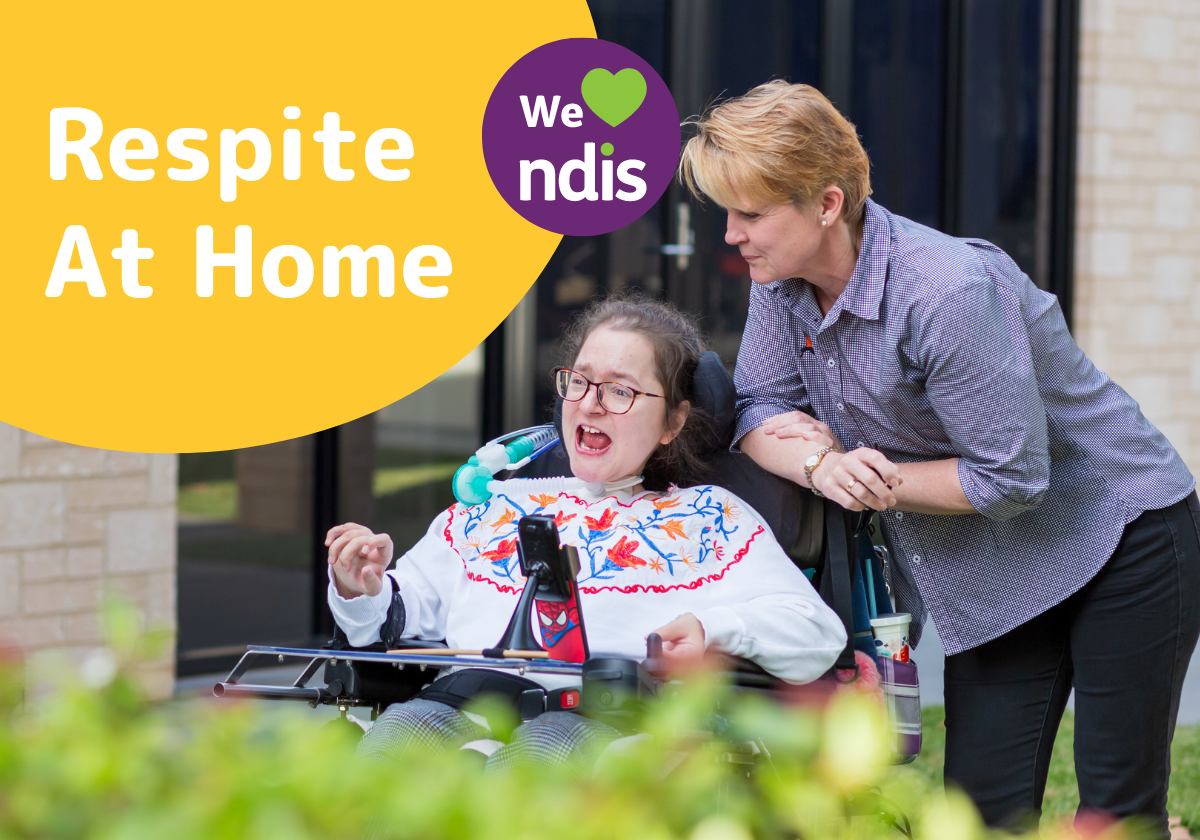
Leaving the hospital marks a shift in brain injury recovery. You may be managing new routines, changes in behaviour, or physical limitations that weren’t as visible in a clinical setting. Progress can shift day to day, making it difficult to plan routines, manage appointments, or determine how much support is needed at home.
Recovery can also look different depending on where you are within the TBI recovery stages. As needs become clearer at home, families begin exploring acquired brain injury support to manage daily life better.
What Does Brain Injury Recovery Look Like at Home?
Once formal rehabilitation slows down, recovery moves into everyday environments.
Getting dressed, preparing meals, or keeping track of appointments can feel different from before. Fatigue, memory changes, and emotional adjustment can affect both the person with a brain injury and the people supporting them.
During brain injury recovery, steady routines and familiar environments help create stability at home.
Early Challenges Families Navigate
After leaving the hospital, families then face decisions around care, funding, and daily support without a clear starting point.
Challenges may include:
Understanding what support is available through the NDIS and how funding applies to daily care
Knowing how support workers, therapists, and coordinators work together day to day
Finding providers you can rely on
Balancing care with everyday responsibilities
You don’t need to have everything worked out before taking the next step. A short conversation can help clarify your options and the next steps to access support.
How Does NDIS Support Help With Brain Injury Recovery?
Accessing NDIS support for brain injury helps bring structure to recovery at home.
Understanding What NDIS Can Cover
NDIS funding can include help with daily living tasks, access to therapy, and coordination to manage appointments and services. Through our NDIS support coordination, we explain how funding applies to your situation and what you can access.
Building a Plan Around Your Needs
Support plans vary based on physical changes, cognitive needs, and how daily life is affected. We work with you to shape a plan that fits your routine and adjust it as your needs change over time.
Allied Health in Daily Recovery
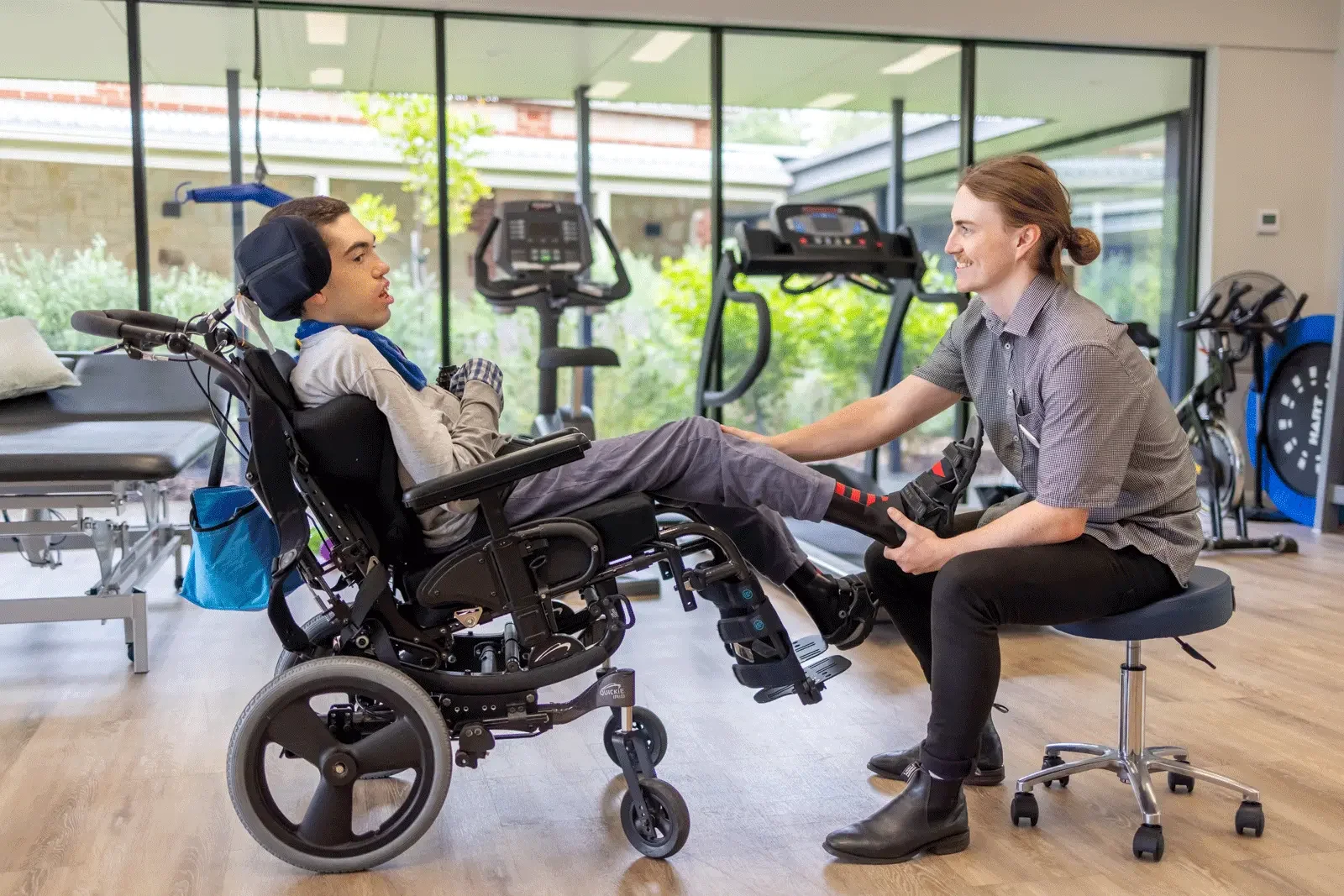
Access to Allied Health for brain injury helps you rebuild specific skills, such as movement, coordination, and completing everyday tasks with more control.
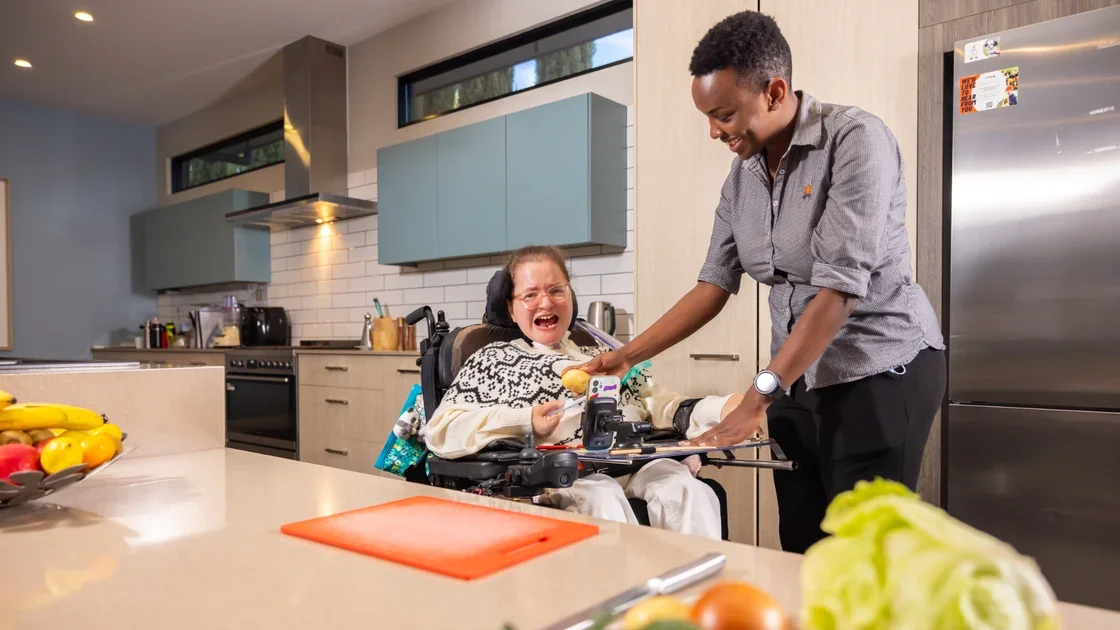
Occupational therapists assist with tasks such as dressing, cooking, and building safe routines at home.
Physiotherapists support movement, balance, and strength so that daily mobility becomes more manageable.
Through our Allied Health services, we coordinate therapy with your routine, keeping progress consistent and easier to maintain.
How Do Support Workers Help With Brain Injury Recovery?
Our brain injury support workers provide consistent, practical guidance each day, helping you manage tasks that may feel harder to handle independently.
Over time, this builds confidence and creates a sense of structure that builds steady progress at home.
They also help you reconnect with the world around you, including:
Attending appointments and getting out of the house more regularly
Returning to familiar activities or trying new ones
Building social confidence through regular interaction
Developing skills that create greater independence
As these experiences become part of your routine, support extends beyond daily care and into building connection, confidence, and a stronger sense of belonging.
Rebuilding Daily Life After Brain Injury
Adjusting to life after brain injury also involves rebuilding a sense of independence and confidence in your own decisions. This can include returning to familiar environments, reconnecting with others, or gradually taking on more everyday responsibilities.
Support during this stage helps you move beyond routines and start shaping what daily life looks like for you again.
How Do We Support Brain Injury Recovery at Home?
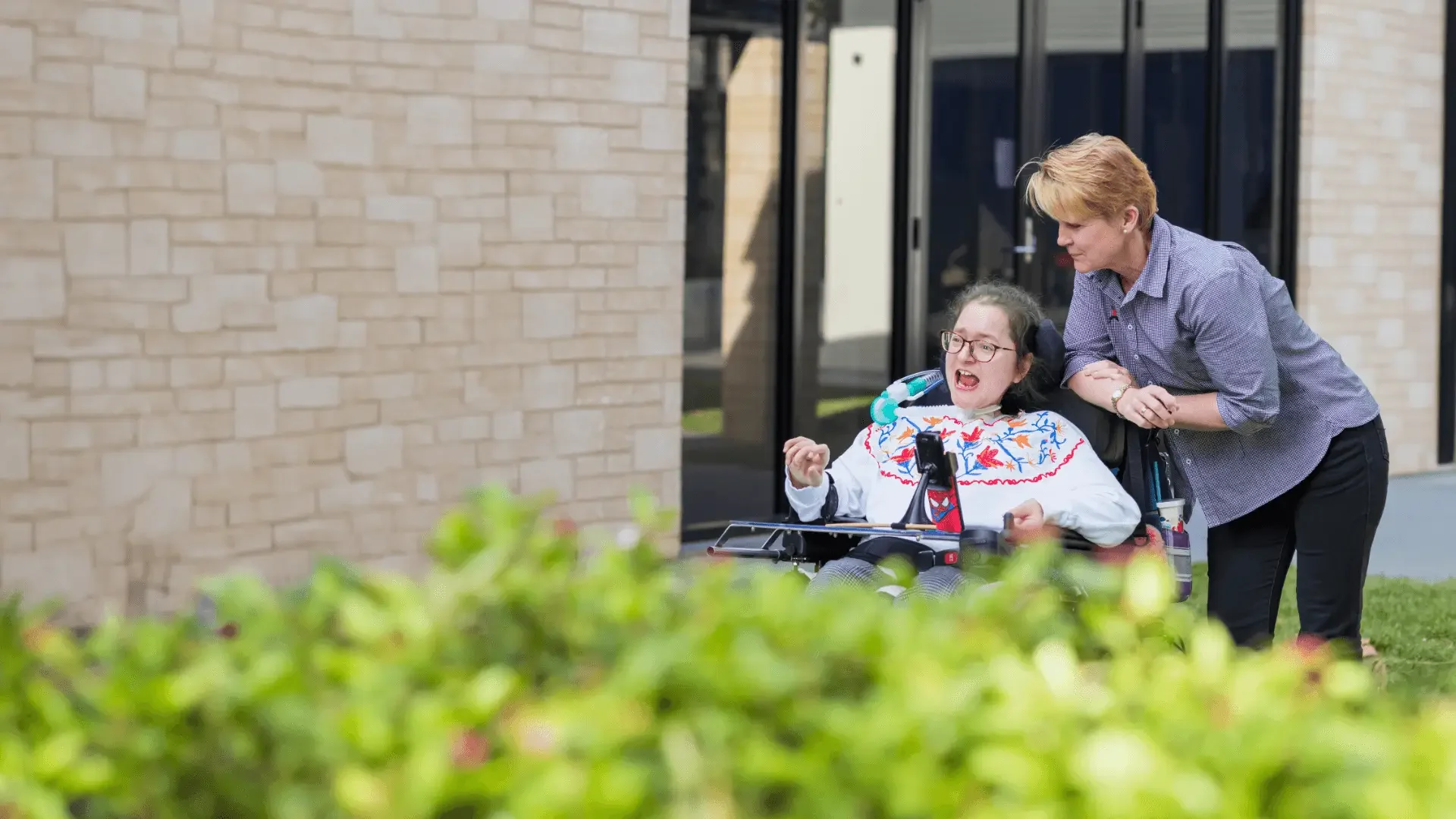
With more than 30 years of experience, ONCALL is here to support people in their own homes after a brain injury.
We bring together:
Trained support workers for daily assistance
Allied health professionals for targeted therapy
Ongoing coordination to keep support aligned
Our team understands the physical, cognitive, and emotional changes involved and adjusts support as those needs evolve. Through time and consistency, you safely relearn skills, stay connected to your community, and continue working toward greater independence at home.
What Should You Do Next in Brain Injury Recovery?
Brain injury recovery continues well beyond hospital care. Having the right support in place helps you move forward with more clarity. If you’re working through what comes next, you can contact us to speak with our team. We’ll help you understand your options and how to access the support you need to regain independence at home.