
7 Ways Community Participation Empowers People with Disabilities
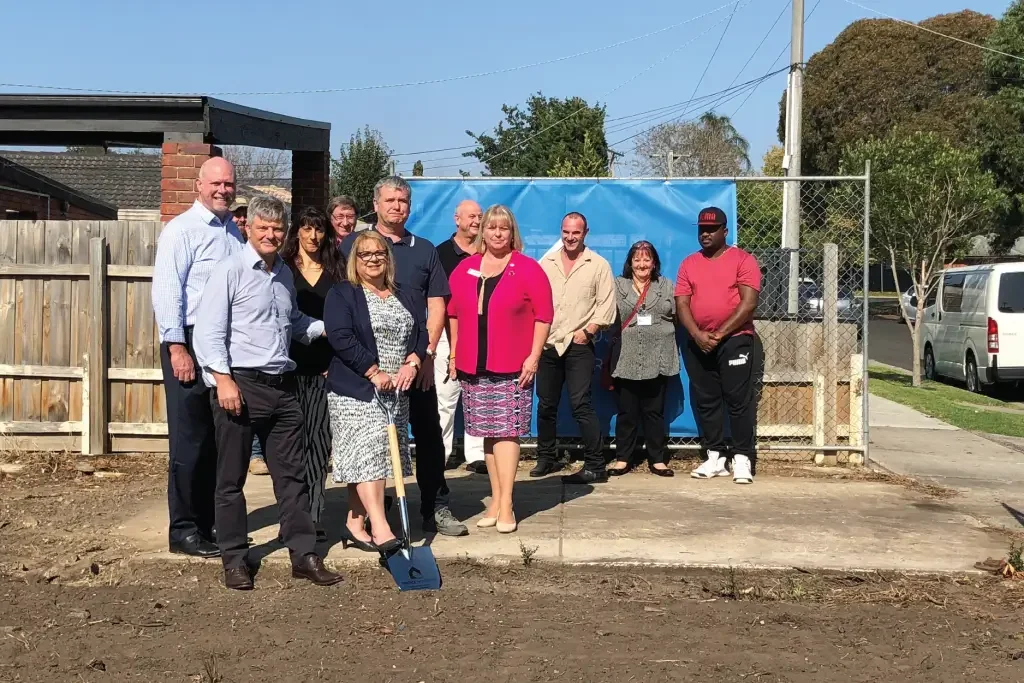
Community involvement looks different for everyone. For some, it begins with a weekly class. For others, it might mean reconnecting with a long-held interest or becoming part of a local group.
Within an NDIS plan, disability community participation funding creates the space to explore those opportunities. What shapes the outcome is how participation is planned, supported and revisited over time.
Here are seven ways structured social and community participation can create lasting impact.
1. Building Real Social Circles
Connection grows through shared experience and consistency. We often support participants to attend the same local programs each week, such as:
A neighbourhood men’s shed
A craft or art group at the community centre
A local basketball or netball competition
A book club or music group
In the early stages, our support worker may help introduce the participant to others or stay close during conversations. Over time, we step back as familiarity bui
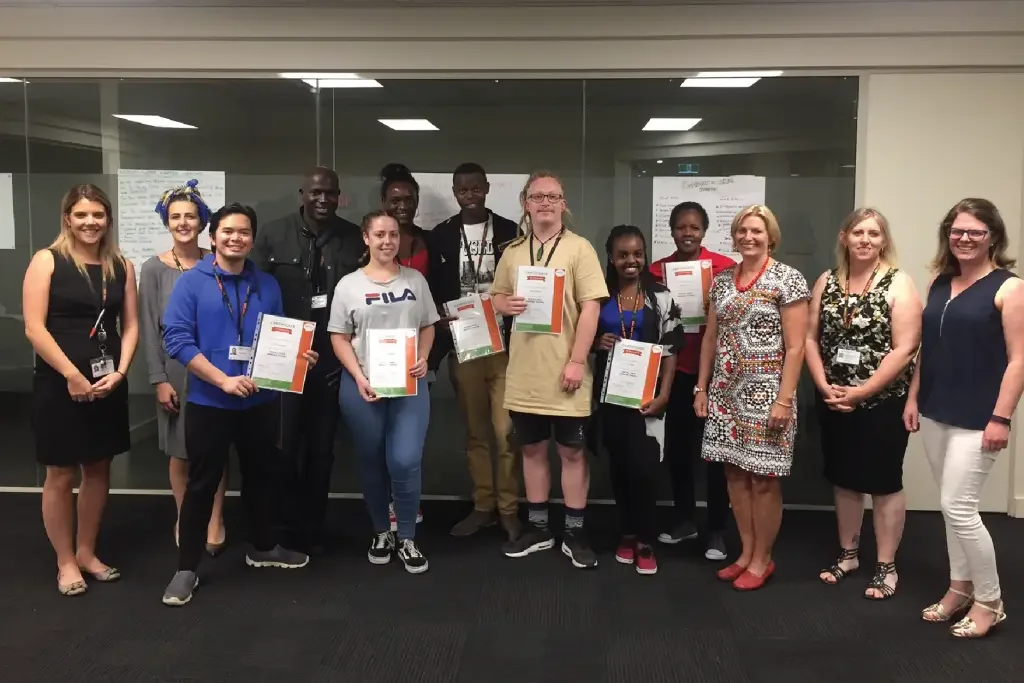
2. Strengthening Social Confidence in Community Spaces
Community settings provide practical opportunities to build resilience. That might involve:
Ordering independently at a café
Navigating a busy shopping centre
Asking questions during a short course
Attending a community event with a large crowd
Before attending, we talk through the environment and expectations. During the activity, we provide steady guidance. Afterwards, we reflect on what worked and what could be strengthened next time.
These structured experiences within community access services contribute to the broader benefits of community participation for disability, particularly in strengthening communication and public confidence.
3. Developing Skills That Carry Into Daily Life
Skill-building becomes more effective when it happens in real settings.
For example:
Volunteering at an animal shelter builds time management and teamwork skills
A weekly cooking group strengthens budgeting and food preparation skills
Joining a sports club encourages accountability and routine
Participating in a community class improves communication
When structured carefully, NDIS social activities reinforce practical goals outlined in a participant’s plan.
For residents in our Supported Independent Living Melbourne homes, these experiences also strengthen independence beyond the home environment.

4. Creating Consistent Structure and Routine
Routine plays a quiet but important role in wellbeing.
A weekly schedule might include:
Monday art class
Wednesday gym session
Friday volunteer shift
Saturday social group
Knowing what the week looks like reduces uncertainty and supports emotional stability. Regular engagement through disability community participation creates continuity and helps participants prepare for commitments with confidence.
5. Expanding Identity Through New Experiences
Our participants discover new strengths when given space to try something unfamiliar.
We have supported individuals to:
Enrol in barista training
Join a local theatre production
Participate in cultural dance programs
Attend disability-led advocacy groups
As involvement grows, identity expands. Participants begin to see themselves as volunteers, performers, students or athletes.
6. Strengthening Independent Decision-Making
Community participation offers practical opportunities to practise choice. Participants may:
Plan their own transport routes
Choose which programs to continue
Manage spending money during outings
Decide how often to attend certain activities
As confidence develops, participants take greater ownership of their schedule and commitments.
Ongoing community participation NDIS engagement supports independence that extends into employment, study and living arrangements. You can learn more about how this aligns with funding on our NDIS services page.
7. Supporting Genuine Belonging
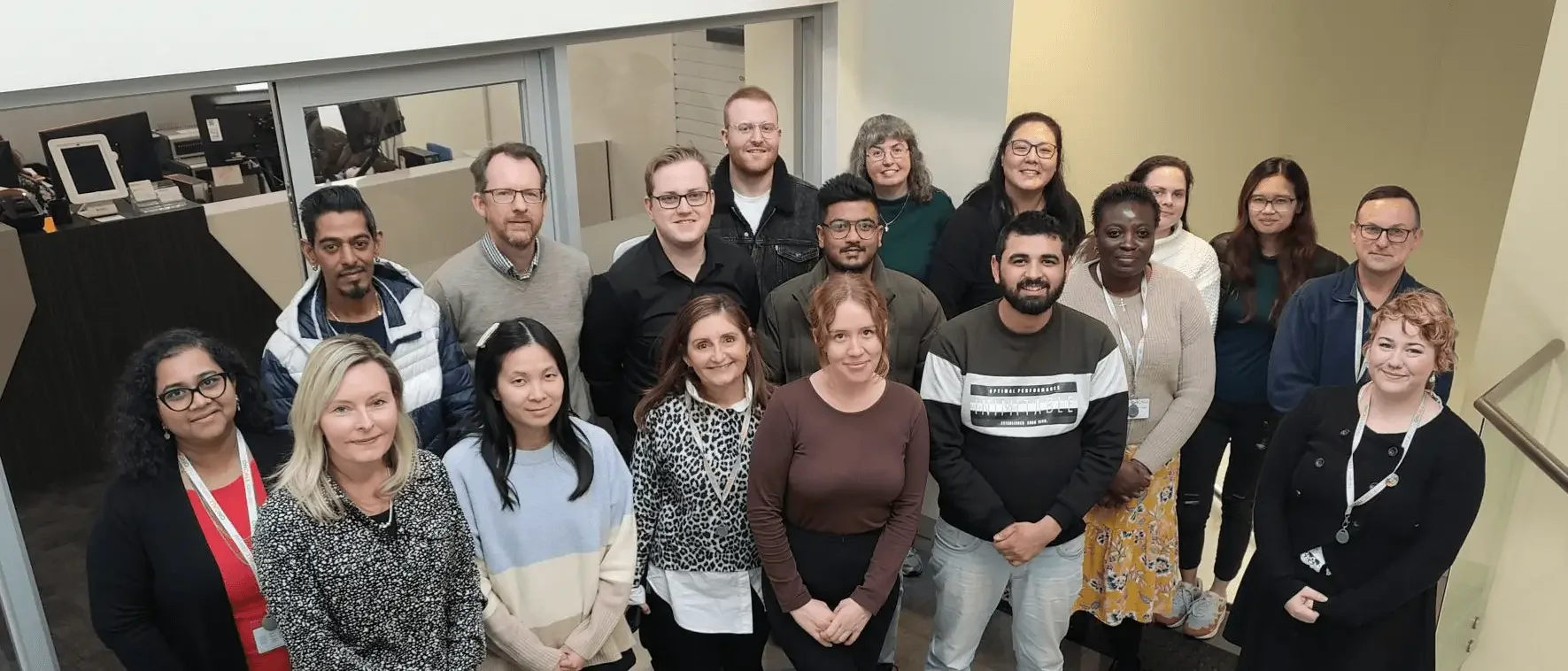
Belonging grows when participation becomes mutual. We have seen individuals:
Take on small leadership roles within social programs
Welcome new members into groups
Help organise community events
Contribute ideas during planning sessions
Through our Community Access Programs, we connect participants with environments where they are recognised and valued as members of their community.
Planning Meaningful Participation With ONCALL
With more than 30 years of experience as a registered and frequently audited provider, we understand how to turn disability community participation funding into steady, meaningful involvement.
We work alongside you to plan activities thoughtfully, align them with your NDIS goals and review progress regularly so participation continues to feel purposeful and achievable.
If you’re ready to explore what community involvement could look like for you or your family member, we’re here to guide that next step. Visit our Community Access Programs page or contact us to start planning with clarity and confidence.