
What is Specialist Disability Accommodation?
Hearing "SDA" for the first time in a planning meeting can feel like a lot to take in at once. If you're exploring disability accommodation for someone with functional impairment or very high support needs, here's a clear, honest look at what SDA is, who it's for, and how we bring it to life across Victoria.
The Home Itself, Funded Alongside Your Care
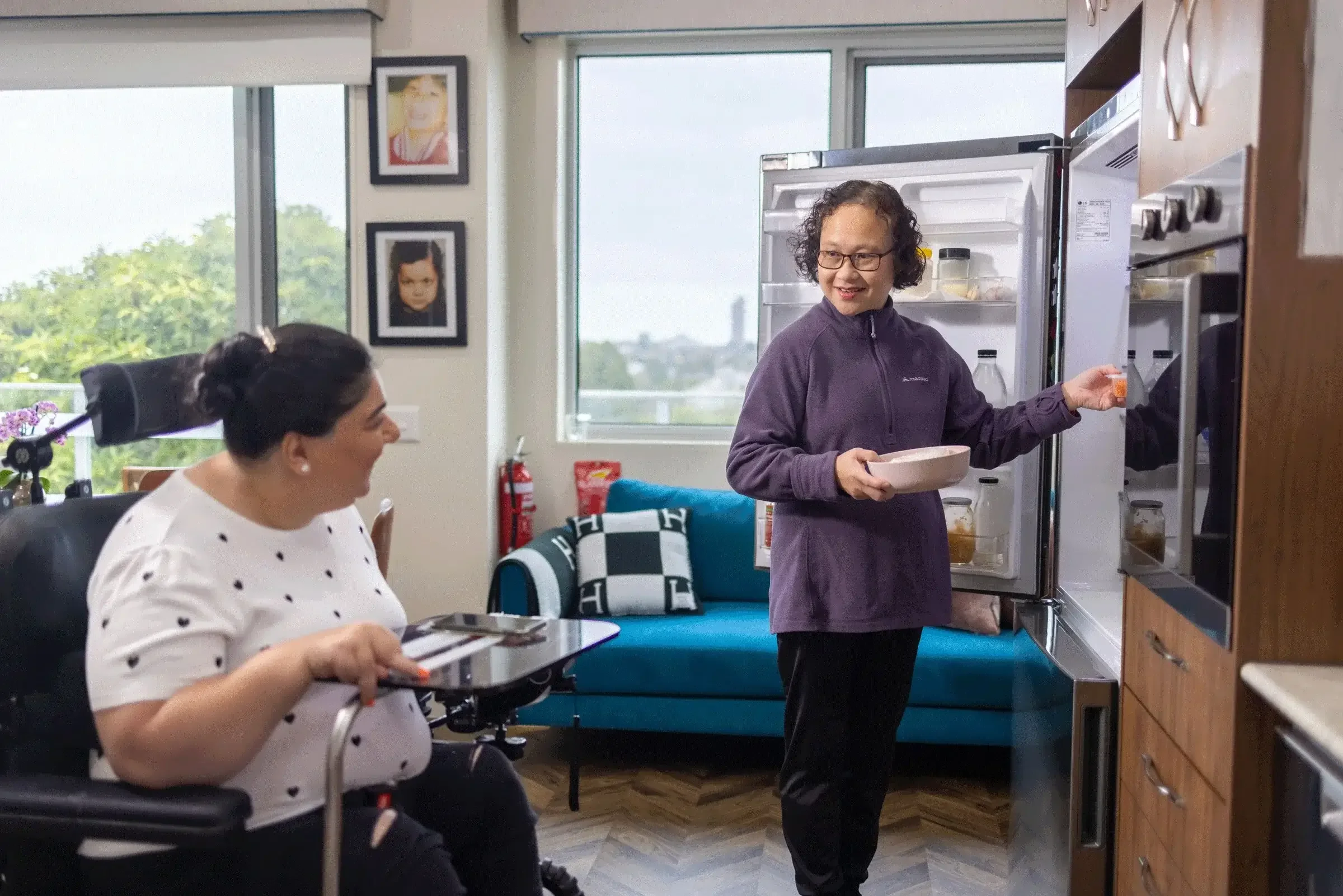
Specialist Disability Accommodation (SDA) funds the property itself, a purpose-built or modified home designed around very high support needs. It sits under your NDIS capital supports and works hand in hand with Supported Independent Living (SIL), which funds the everyday care delivered inside that home.
Victoria recognises four basic SDA design categories:
Improved Liveability – sensory-friendly layouts, natural light and easier wayfinding, built with sensory or cognitive needs in mind
Robust – reinforced fixtures designed for higher physical demands and everyday durability
Fully Accessible – step-free access from the front door to the bathroom, designed for full-time wheelchair use
High Physical Support – ceiling hoists, wider doorways and equipment-ready rooms for complex physical care
Your NDIS plan sets the category you're approved for, and from there, the choice of provider and property is yours.
SDA, SIL and Respite, Working Together
We've written a full comparison in our SIL vs SDA: Key Differences guide, and here's the quick version:
SDA funds the home
SIL funds the support inside it
Respite offers short breaks away, for you or your family
Most participants need SDA and SIL running side by side. We coordinate both under one roof, so your home and your care stay connected through a single, familiar team, with one point of contact instead of two separate services trying to stay in sync.

How Do You Know If You're Eligible?
SDA eligibility comes down to supporting evidence, not solely on diagnosis. The NDIA looks at how a disability affects daily safety and independence, the level of support needed day and night, and whether a current home can reasonably meet those needs. A functional capacity assessment from an occupational therapist or other allied health professional usually forms the basis of that evidence, alongside input from a support coordinator.
Support coordinators can help pull the right reports together, and we're glad to work alongside them at any stage of that process. Once SDA is confirmed as reasonable and necessary, it's included as a stated support in the NDIS plan, along with the design category that fits.
Housing Built Around Complex, Everyday and Psychosocial Needs
We support people with physical, sensory, intellectual and psychosocial needs across our disability housing in Victoria, including the kind of supported accommodation for mental health many families search for when psychosocial support is part of the picture. For someone living with complex psychosocial needs, that can look like a support worker who understands sensory triggers, or a home designed with quiet, low-stimulus spaces alongside shared areas for connection.
Allied health input, medication management and behaviour support plans move into the new home and continue from day one. It's all part of the wider disability support services families lean on across Victoria for daily living, therapy and community connection. Our disability services team stays close throughout so support can grow and change as circumstances do.
Your Routines, Respected From Day One
Handing care to a new team is a big step, especially after years spent getting routines right.
We start by learning the existing care plan: the schedule, the preferences, and the small details that keep daily life feeling familiar. We keep familiar faces in the picture wherever we can, and we check in regularly so families always know how things are tracking. If something isn't working, we'd rather hear about it early and adjust together than wait for a formal review. Families hold the final say on how a home runs, and that's the standard we work to every day.

Thirty Years in Victorian Disability Services
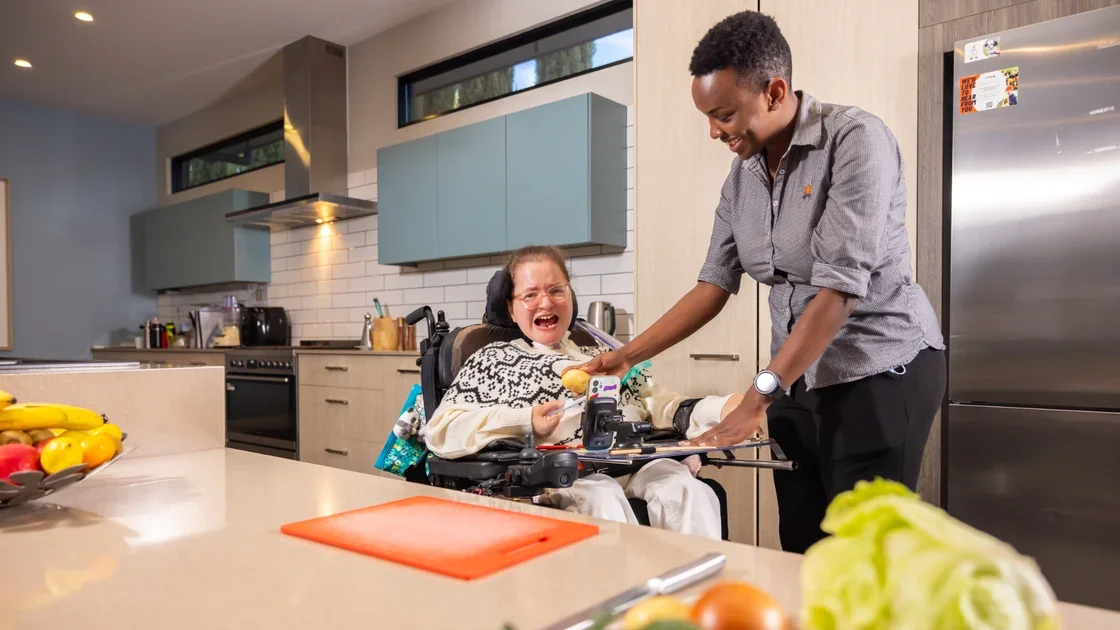
and that experience still guides how we work today.
More than three decades on, we're a registered NDIS provider (405 0063 496), audited regularly against national standards, and proud to keep delivering disability accommodation and Victorian disability services that families across the state have trusted for years. Read our full story on the About Us page, or explore the complete range of support on our Disability Services page.
Ready to Talk It Through?
Every family's timeline looks a little different, and a real conversation goes further than a form when weighing up SDA.
Contact us and speak with our Victorian team about current vacancies, eligibility, or how disability accommodation and disability support Victoria funding work together. There's no pressure to decide anything on a first call, and we're happy to answer questions at any stage, even if you're just starting to explore your options.
