
In-Home Disability Care Services Explained: Everything You Should Know

When you’re exploring in home disability care for yourself or someone close to you, it’s natural to want clear information before making decisions. Many people come to us unsure where to begin or what daily support looks like in practice. We aim to make this stage easier by offering steady guidance, practical explanations, and a transparent view of the support available across South Australia.
We draw on long-standing experience in the sector, supported by the work our team does every day. This guide focuses on what in-home support actually involves and how it can help build comfort and stability in everyday routines.
What In-Home Disability Care Looks Like in Real Life
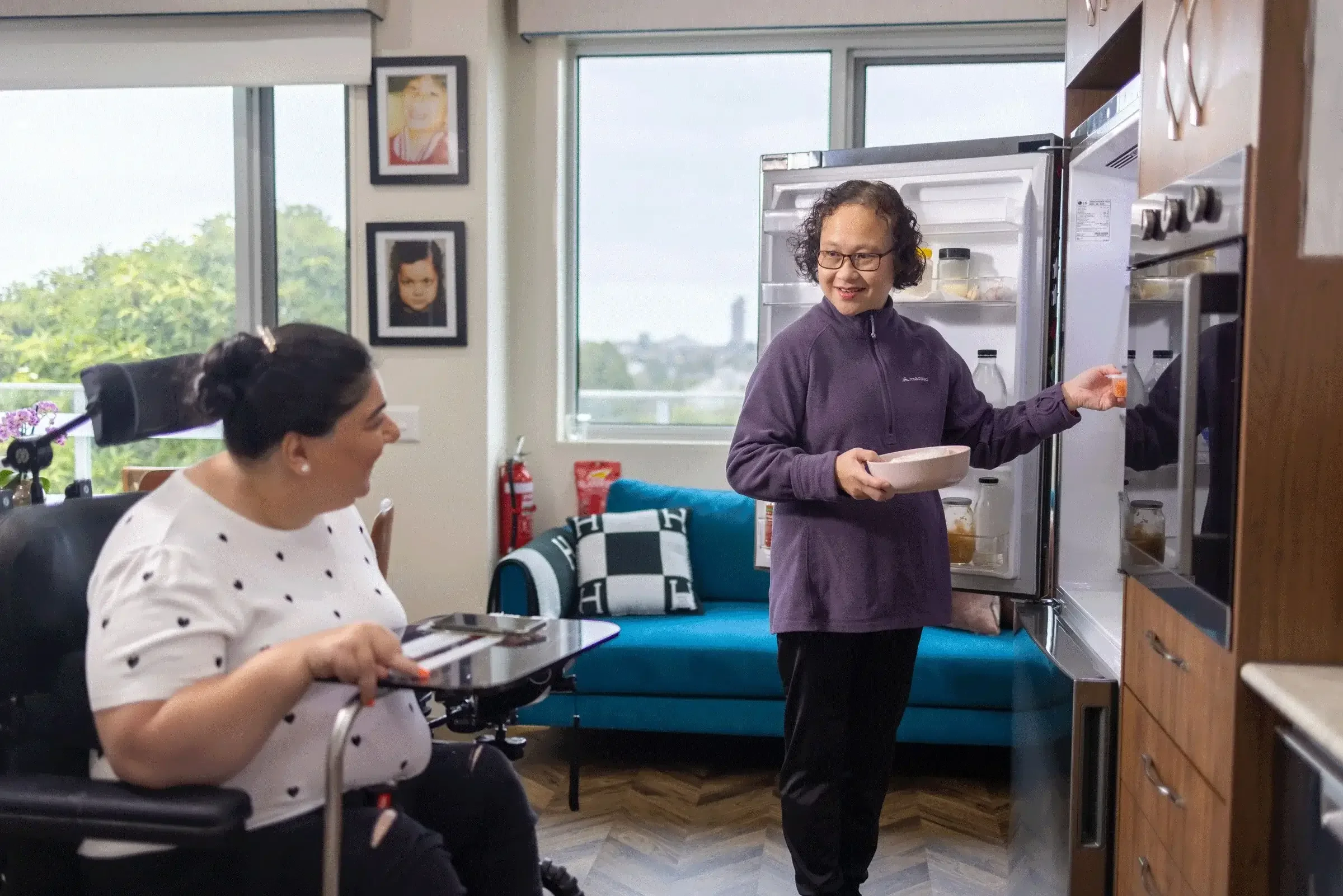
At its core, in home disability care means personalised support delivered in the familiar environment of your home and local community. We start by understanding preferred routines, communication styles, and individual goals.
Depending on your needs, support may include:
Personal care
Help with morning and evening routines
Mobility and transferring assistance
Meal preparation
Medication prompts
Household tasks
Social and community participation
A personalised structure gives people freedom to shape their days in a way that feels comfortable, independent, and predictable.
Breaking Down Key Types of Support
1. Personal care
Hands-on assistance such as grooming, hygiene, dressing, continence care, and safe mobility. You can find more details through our broader information on personal care.
2. Community access
Support for appointments, shopping, social outings, volunteering, or local programs. We encourage community participation at a pace that suits each person. More can be found under our community access information.
3. Household assistance
Guidance with cooking, light cleaning, laundry, or staying organised. This can be hands-on help or shared tasks to encourage skill development.
4. Building skills and confidence
Many people enjoy learning or maintaining skills that support independent living. This may include travel training, daily planning, or strengthening routines.
5. Social connection
Support for hobbies, friendships, and meaningful activities. Feeling connected contributes positively to wellbeing.
How the NDIS Connects to In-Home Support
Understanding how the NDIS relates to in home disability care can feel complicated at first. We keep it simple by focusing on how your daily needs and goals translate into funded support at home. Most people receive assistance through daily living, community participation, or capacity-building categories.
If you’d like more guidance, our NDIS information breaks down key terms, and our FAQs provide straightforward answers. We’re here to clarify how your plan can support your routines and what adjustments may help over time.
How the NDIS Connects to In-Home Support
Understanding how the NDIS relates to in home disability care can feel complicated at first. We keep it simple by focusing on how your daily needs and goals translate into funded support at home. Most people receive assistance through daily living, community participation, or capacity-building categories.
If you’d like more guidance, our NDIS information breaks down key terms, and our FAQs provide straightforward answers. We’re here to clarify how your plan can support your routines and what adjustments may help over time.
How Support Continues Once You’re Set Up
After services begin, our priority shifts to consistency and comfort. We want every person receiving support to feel steady in their routine and confident in the people assisting them.
Clear routines and dependable scheduling
We keep you updated about who will be attending and how support fits into your week, helping each day feel predictable and calm.
Adjusting support as needs change
If your routines, mobility, or community involvement shift, we revisit your plan and adjust support with you. This keeps in home disability care aligned with your current needs.
Working alongside your support network
We communicate with families, guardians, and coordinators to ensure everyone is informed and support remains unified.
Monitoring fit and quality
We check in to make sure your worker match continues to feel right.
Getting Started With Support
If you’re new to the process, we keep the steps simple and clear.
1. Contact our SA team
A conversation helps us understand what you’re looking for and what feels important right now.
2. Share routines and preferences
We learn how you like your day to run: communication needs, daily rhythms, and where support would help most.
3. Build a practical plan together
We outline support options that align with your goals. You can explore related services through our South Australia disability services page.
4. Begin support with a matched worker
We introduce a worker whose strengths fit your needs. You can meet more of our team on Our People Page.

What Sets Our In-Home Support Apart
At ONCALL, we focus on consistent support that adapts to each person’s routine. We don’t rely on rigid programs as we value building support around how you want to live and what helps you feel comfortable at home and in the community.
If you’d like to see how this looks day to day, the stories on our Success Stories page offer a helpful snapshot.
With well-matched workers, clear expectations, and thoughtful planning, in home disability care becomes a reliable part of daily life.
Talk to Our SA Team
If you’re exploring support options or would like guidance before making decisions, we’re here for a confidential conversation. We’ll talk through your needs, explain what support could look like, and help you take the next step when you’re ready. Get started by reaching out to our team today!